Can Car Window Films Help Save on Fuel and Electricity?
Every time you turn the ignition in Singapore’s sweltering heat, your air conditioner kicks into overdrive—and so does your fuel consumption. While petrol prices have eased slightly to offer some reprieve, and EV charging remains relatively affordable, most Singaporean drivers are never short of reasons to cut costs further when they can.
One idea that often flies under the radar is car window film. Beyond the tinted look, modern window films are engineered to block heat before it ever enters your cabin, thereby reducing the load on your air conditioning system significantly. This article breaks down the science behind window films and goes into the real-world fuel and energy savings you can expect—whether you drive a petrol car, hybrid or electric vehicle.
Wondering why cars heat up so fast in Singapore? We gathered five main reasons, and the ways you could make it more tolerable.
How Heat Enters a Car Cabin
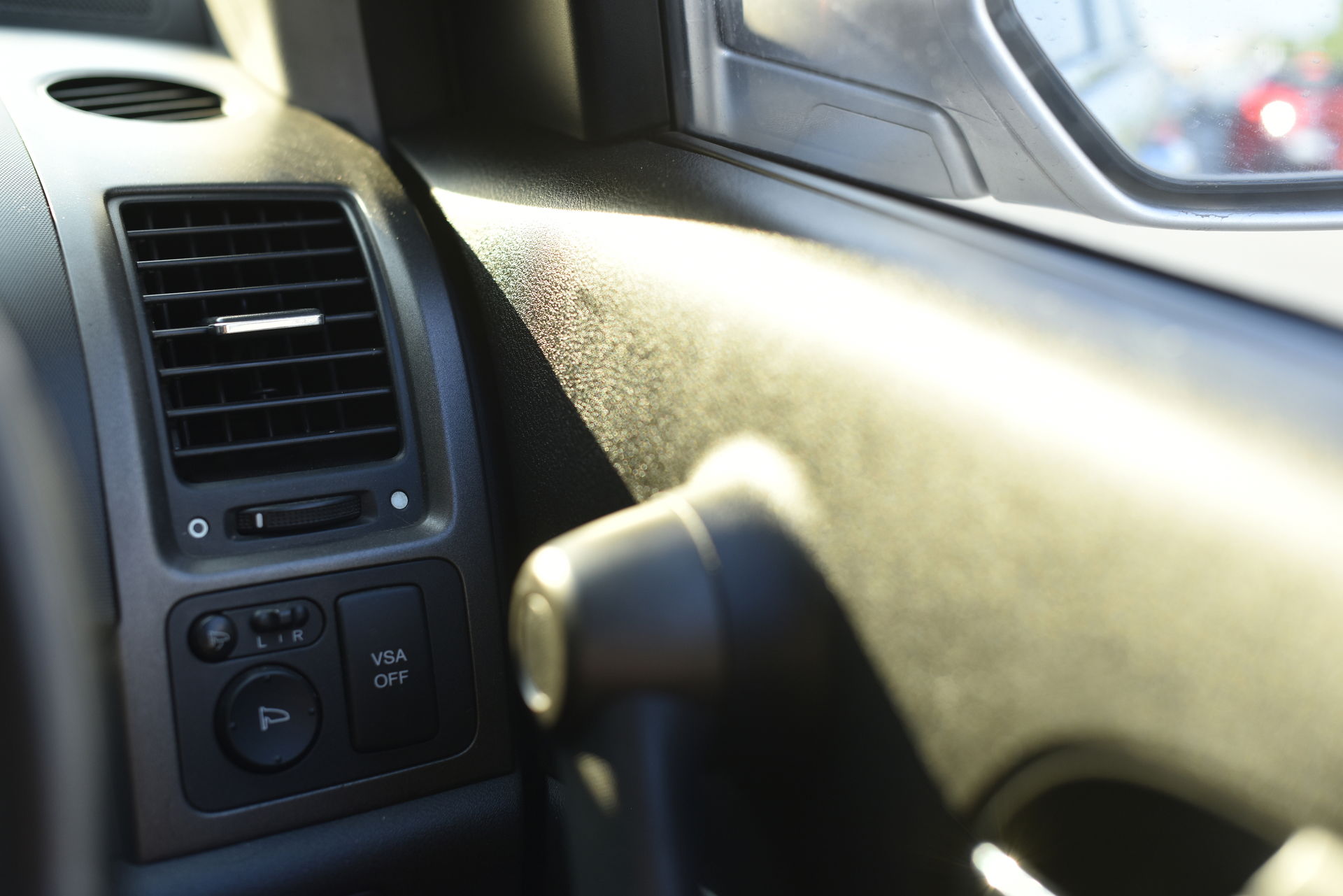
Heat builds up in a vehicle through three main forms of solar energy: ultraviolet (UV) radiation, visible light, and infrared (IR) radiation. Infrared radiation carries most of the heat that penetrates automotive glass, and it is the primary reason cabins in Singapore warm up so quickly. When sunlight passes through untreated glass, these wavelengths travel into the cabin where they are absorbed by seats, dashboards and interior panels. The absorbed heat then radiates back into the air, raising cabin temperature steadily and contributing to that muggy feeling when you first open the door.
Humidity amplifies this process because moisture-laden air retains heat for longer periods. And Singapore is notorious for humidity, with an average humidity level of 84%. A car that sits in an open-air HDB or office car park can see its interior temperature rise far above the ambient outdoor level within minutes owing to this combined “greenhouse effect”. When the driver returns, the air conditioning system must overcome this accumulated heat before any sense of comfort is restored. This initial cooling phase is the point at which energy demand rises most sharply.
How Window Films Block Heat
Window films use engineered layers of polyester, ceramic particles or metalised coatings to reduce the amount of solar energy entering the cabin. Each layer interacts with sunlight differently. Some reflect infrared wavelengths outwards while others absorb and disperse heat at the glass surface. Notably, ceramic-based films remain effective over long periods because the non-metallic particles are stable when exposed to prolonged heat.
Most high-performing films also provide strong ultraviolet protection. Many block up to 99% of UV rays, which helps preserve interior materials and maintain a cooler cabin environment. The reduced heat transmitted through the glass results in a lower thermal load for the air conditioning system. So, instead of working at full power to remove trapped heat, the system only has to stabilise the cabin temperature, which is overall a quicker process.
For daily driving in Singapore, these properties matter because the sun’s intensity remains high throughout the year. A reduction in incoming heat helps manage both comfort and energy use—especially during late-morning and afternoon journeys as well as the hotter and more humid months of the year.
Fuel Savings for Petrol and Hybrid Vehicles
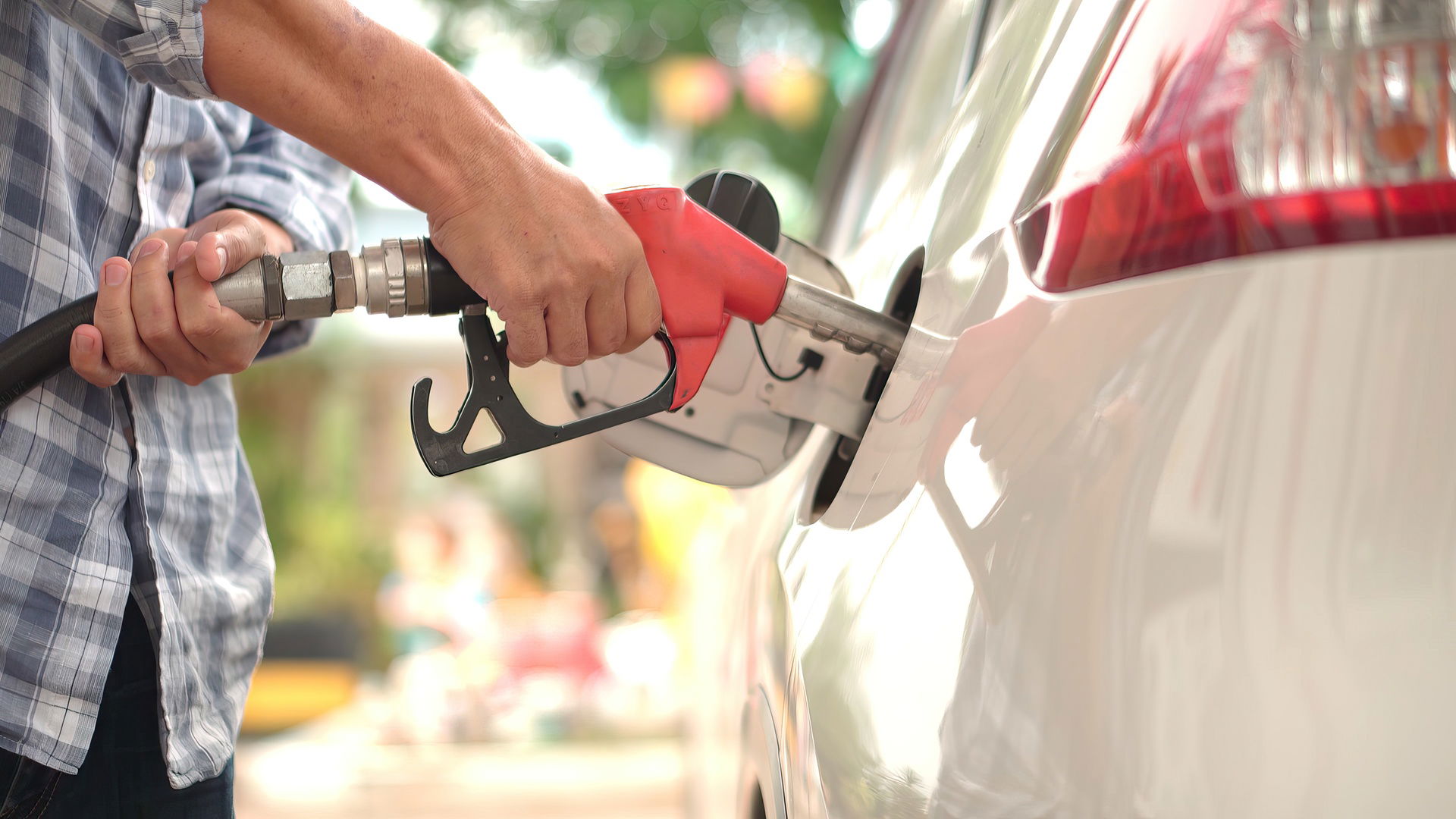
Air conditioning increases fuel use because the compressor draws power directly from the engine. Studies show that cooling demand can raise fuel consumption by up to 25% depending on temperature, vehicle size and driving conditions. While results vary, the relationship between thermal load and energy use is well documented. As such when the cabin starts cooler, the compressor avoids long periods of high-power operation.
Drivers in Singapore typically depend on air conditioning even for short trips. But once they experience cabins that do not heat up as quickly, weaning off the AC starts to feel less inconceivable for brief drives. Over time, this behaviour can contribute to incremental fuel savings, particularly for those who get in and out of the car frequently.
Hybrid vehicles experience similar improvements. Their air conditioning systems operate on both the engine and high-voltage battery; when cooling demand decreases, battery discharge becomes more gradual at low speeds. This helps maintain overall energy efficiency and supports smoother transitions between electric and engine-driven operation across routine commutes.
Energy and Range Benefits for Electric Vehicles
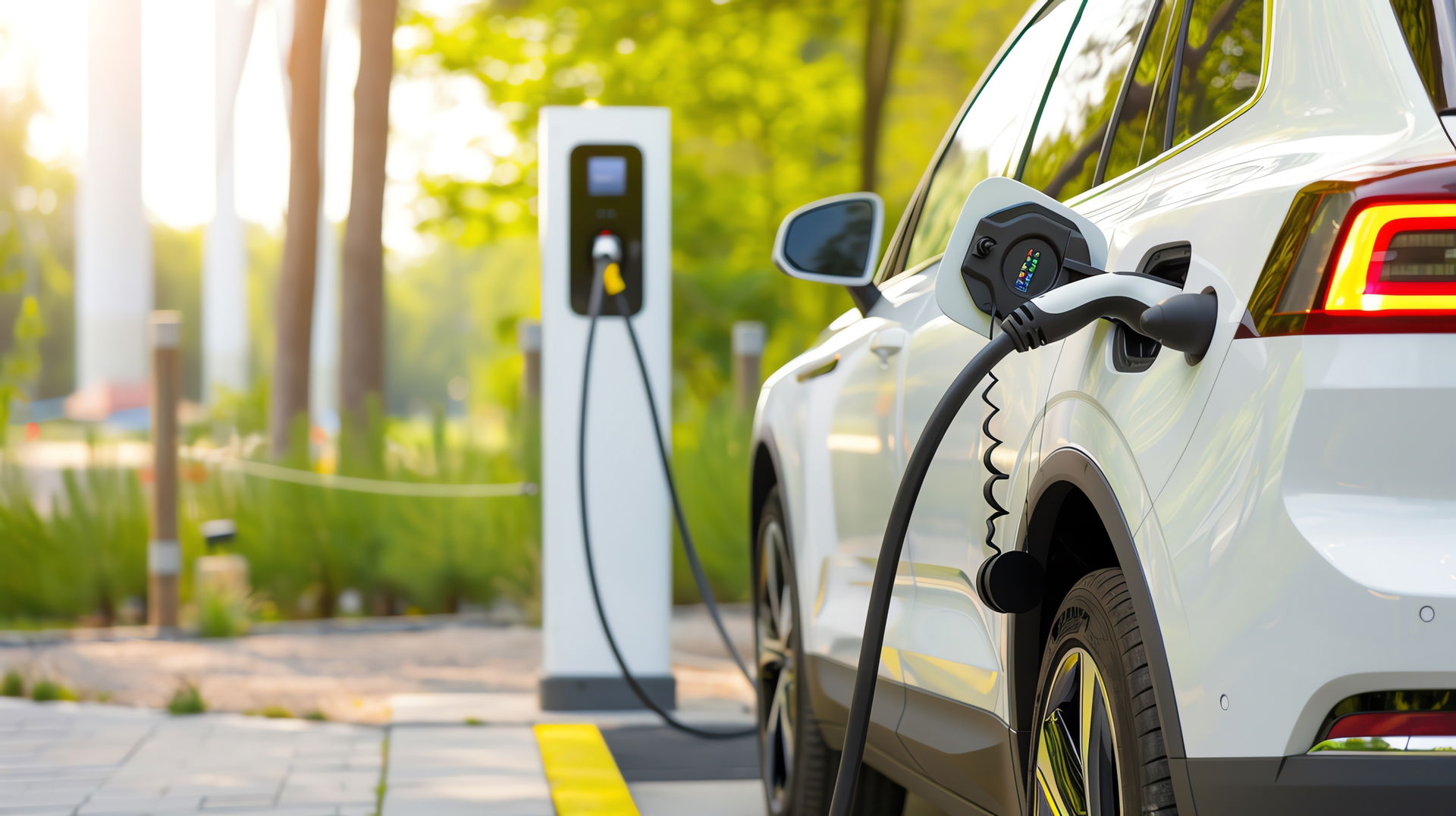
Electric vehicles rely entirely on the battery to power all cooling functions. Air conditioning can account for a share of energy use in city driving. According to a study by Recurrent, EVs can lose around 5% of range in hot weather at roughly 32°C. Although the reduction is relatively small, any measure that limits heat entering the cabin helps moderate the energy required for cooling and supports more stable range performance. In Singapore, daily maximum temperatures of late sit between 32 and 33°C. Rising temperatures the world over as a result of global warming mean that heat-related energy demand will increasingly become a consideration for many drivers.
When an EV is equipped with a strong infrared-rejecting window film, the cooling system stabilises cabin temperature with fewer high-output cycles. This behaviour supports more consistent range performance, especially for vehicles parked outdoors at residential blocks or workplaces. Drivers who rely on predictable daily range benefit most, although all EV users experience the comfort advantage of a cooler cabin upon entry.
The combined result is steadier energy consumption, less variation in range during midday travel, and more efficient use of battery capacity in Singapore’s climate.
Conclusion
Window films provide measurable benefits by reducing the amount of heat that enters a vehicle cabin. Strong infrared and ultraviolet rejection lower the thermal load on the air conditioning system, which supports reduced fuel use for petrol and hybrid vehicles and more consistent energy consumption for electric vehicles.
If you would like to explore suitable tinting solutions, we invite you to visit V-Tint. Our range of heat-rejecting films offers options that enhance comfort while contributing to long-term efficiency. Find our location here or get in touch with us to make an appointment at your preferred time.